Catalog
 Sanding materials
 Tools
Tools
 Polishing materials
 Wood finishing materials
 Adhesive
 Painting equipment
 Wood repair materials
 Abrasive discs
 Filters for painting chambers
 Adhesive tapes
 Preparation materials for painting
 Personal safety products
 Industrial equipment

 Sign in


Maintenance of varnish and top coat on yachts and other vessels

Building and maintaining the perfect yacht or other vessel takes time, effort and knowledge. At the manufacturing stage, Mirka marine solutions can increase the productivity of surface finishing processes and ensure a better end result.
A better quality of surface finish and coating can be achieved by sanding, polishing or removing minor imperfections such as orange peel effect for even more shine.
Marine topcoats can be applied after surface preparation to ensure adhesion to the substrate and provide a long-lasting, weather-resistant finish. Mirka offers solutions for both fresh and fully cured topsoil.
More shine. Maintenance of varnish and top coat on yachts and other vessels.
1/6 – For yachts and other ships. Perfect surface.
Preparing and maintaining the perfect surface of a yacht or other vessel takes time, work and knowledge. Mirka's marine solutions can improve the performance and quality of surface finishing processes throughout the manufacturing process.
The gloss of the surface finish and coating can be further improved by sanding, polishing or removing minor defects such as the orange peel effect.
Once the surface has been prepared, a marine topcoat can be used to ensure adhesion to the substrate and provide a long-lasting, weather-resistant finish.
Here is a simple procedure to get the best results.
You can watch the full video here or check out this listing for the practical details of the detailed process.
Remember to follow all recommendations and instructions provided by the additive paint supplier.
2/6 - Step 1. Sanding.
.jpg)
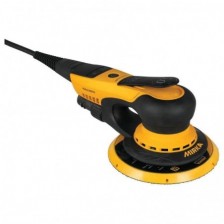
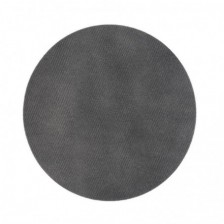
Start sanding with Mirka® DEROS 650CV (150mm) with mesh base.
Start sanding with 1200 or 1500 grit sandpaper.
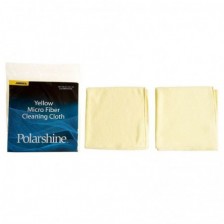
Clean the surface with a microfiber cloth.
3/6 - Step 2
.jpg)
Next sand with 2000 grit.
Clean the surface.
4/6 - Step 3
.jpg)
Follow up with wet sanding with Abralon® J3 3000.
Clean the surface after each sanding step.
5/6 - Step 1. Polishing.
.jpg)
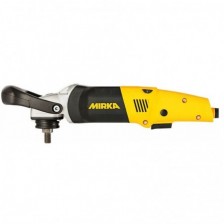
Polish the surface with Polarshine® 35 and lambswool base Pro using Mirka® PS 1437 polisher to remove sanding scratches.
Clean the surface.
6/6 - Step 2
.jpg)
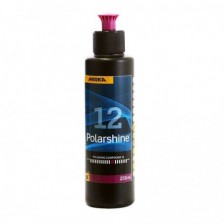
Use Polarshine® 12 and an orange wafer-type foam base to cover bright surfaces.
For dark surfaces, use Polarshine® 12 Black with a black wafer-type foam base to remove any polishing marks, haze, and raised imperfections.
Clean the surface.
Q&A: Clearcoat and Topcoat for Boats
Can the top layer be used on a yacht or other vessel?
Topcoat is a marine finish that can be used above and below the waterline. Marine topcoats should be applied after the surface has been well prepared to ensure adhesion to the substrate and to provide a long-lasting finish that will withstand a wide range of marine weather conditions.
What is the difference between gel and clear topcoats for yachts and other boats?
Gel and topcoat coatings vary in thickness. Gel coat is a layer of resin that is poured into the mold before casting. A clear coat is a very thin layer of varnish that is applied to the part after it has been formed.
Nautor's Swan, Finland. High quality finish.
For Finnish yacht builder Nautor, high-quality finishing is a tribute to the company's roots and heritage, and requires the best power tools and abrasives. Benny Brännbacka from Nautor shares what it's like to work with Mirka and how important customer satisfaction is to building impressive yachts with Mirka solutions.
"It's great to work with Mirka, we cooperate constantly."
A better choice for you and the environment. Water-based polishes.
All Mirka polishes are water-based and manufactured in Finland. Water-based polishing compounds have many advantages.
- Effective long-term scratch removal - water-based compounds remove scratches permanently. Solvent-based compounds can lose their luster after degreasing the surface, and in some cases only temporarily hide scratches.
- Safer for the user - no dangerous chemicals
- Sustainable – Water-based polishes are more environmentally friendly because they do not contain benzene or similar hazardous chemicals.
"Solvent-based polishes may be effective in the short term, but they are more damaging and damaging." - Kim Rönnholm. Portfolio Manager, Mirka.
Save health, time and money. Dust-free sanding.
Do you end up in a cloud of dust while sanding? Try Mirka's advanced grinding solutions and see how a dust-free working environment can contribute to your business success.
Benefits of dustless sanding
A healthier work environment - prevent dust from entering your lungs
You save time - there is no need to clean up after sanding, and clean abrasives sand better
Save money - anti-clogging, so you can use the same abrasive for longer
Quality finish - due to a finer scratch pattern