Catalog
 Sanding materials
 Tools
Tools
 Polishing materials
 Wood finishing materials
 Adhesive
 Painting equipment
 Wood repair materials
 Abrasive discs
 Filters for painting chambers
 Adhesive tapes
 Preparation materials for painting
 Personal safety products
 Industrial equipment

 Sign in


How to sand and polish hard surfaces

Solid surfaces are widely used in interior and architectural design, both at home and in public and commercial spaces for various purposes, such as kitchen worktops, reception desks, wash basins or shower walls.
There are many manufacturers and brands of hard surfaces, such as Corian® from DuPont. Most of them combine a resin base with fillers and pigments. This makes preparation for grinding hard surface materials even easier.
With Mirka's solutions for hard surfaces, you will achieve the desired result with ease - whether you are aiming for a matte or high-gloss finish. Of course, by combining our recognized quality tools with vacuum cleaners and advanced sanding tools, you get a dust-free sanding solution, which means less time spent on cleaning. Depending on the purpose, various types of finishing materials can be used.
Simple steps to a perfect hard surface finish with Mirka solutions
1. Sand the surface
.jpg)
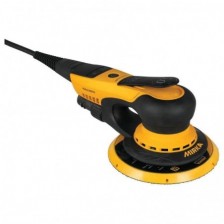
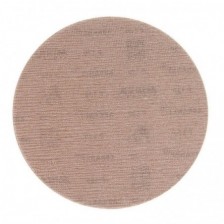
Start with Mirka® DEROS sander (for larger surfaces we recommend Mirka® LEROS-S) and Abranet® or Abranet® ACE to smooth the surface and remove imperfections. Start with 120 grit sandpaper and work your way up to 320.
Make sure the entire surface is sanded. Clean the surface before using a different grit of sanding material.
2. Switch to wet sanding
.jpg)
To achieve the desired finish, switch to wet sanding with Abralon® (make sure the sanding agent and the surface are wet). Use Abralon® J3 with Mirka® Leros-S electric eccentric sander.
For a matte or satin effect finish, sand once with 360 grit (for matte effect) or 500 grit (for satin effect). For a glossy finish, wet sand with Abralon® abrasive up to 4000 grit.
3. Polish the surface
.jpg)
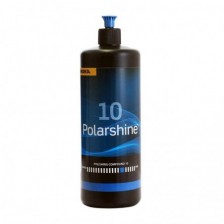
Polish the surface with Polarshine® 10 and a base of lambswool.
For an even higher shine, polish a second time using Polarshine® 10 and a yellow wafer polishing base (optional).
Hard surface grinding and polishing process with Mirka® Leros-S. How to use.
A better choice for you and the environment. Water-based polishes.
All Mirka polishes are water-based and manufactured in Finland. Water-based polishing compounds have many advantages.
Effective long-term scratch removal - water-based compounds remove scratches permanently. Solvent-based compounds may lose their gloss after cleaning with a degreaser, and in some cases they only temporarily hide scratches.
Safer for the user - no dangerous chemicals
Sustainable – Water-based polishes are more environmentally friendly because they do not contain benzene or similar hazardous chemicals.